Post Slide Preview
Post Slide Preview
Post Slide Preview
Post Slide Preview
Post Slide Preview

KinshipAssembly: Genetic Comparison for MPI/DVI Workflows

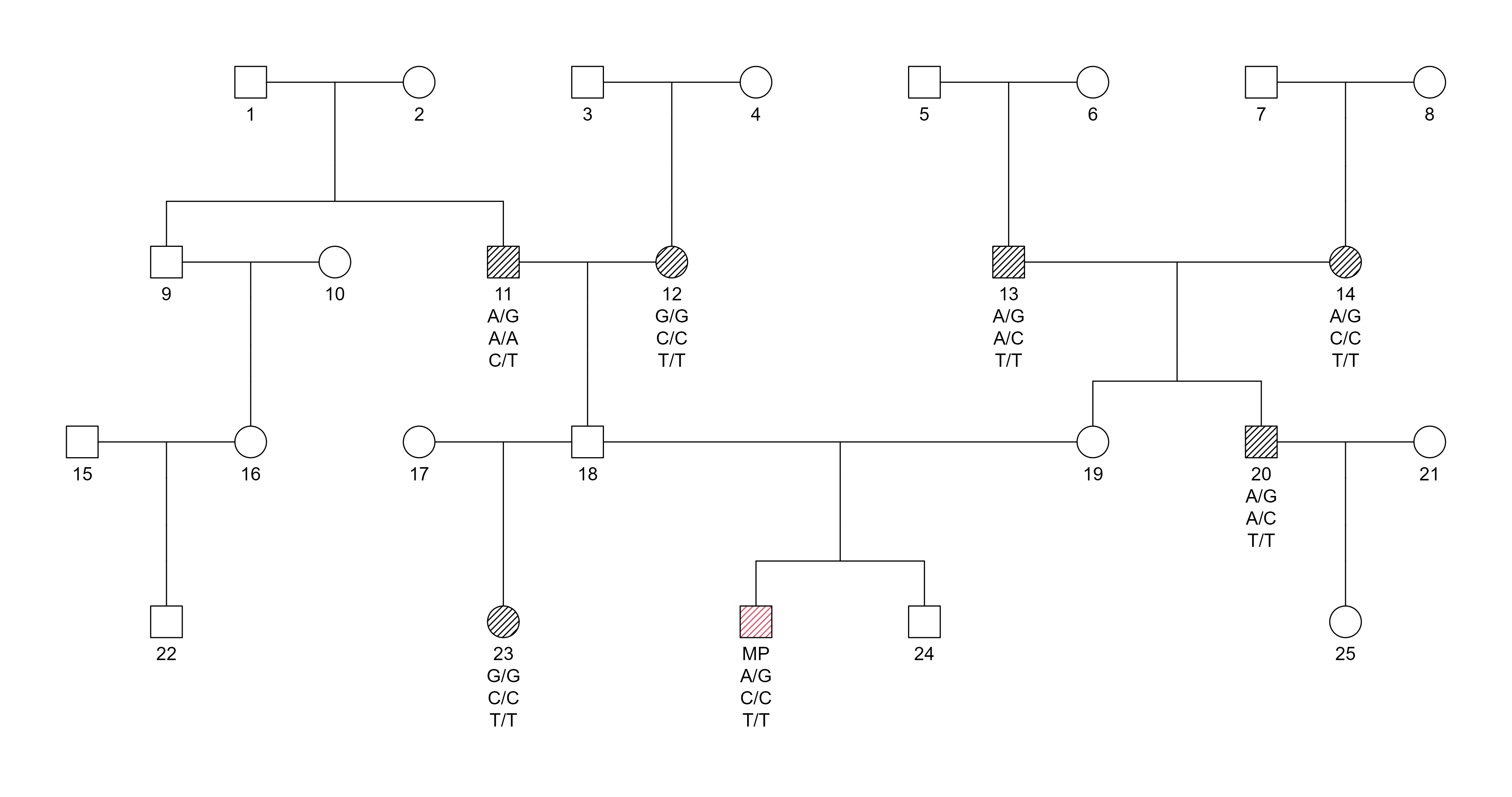
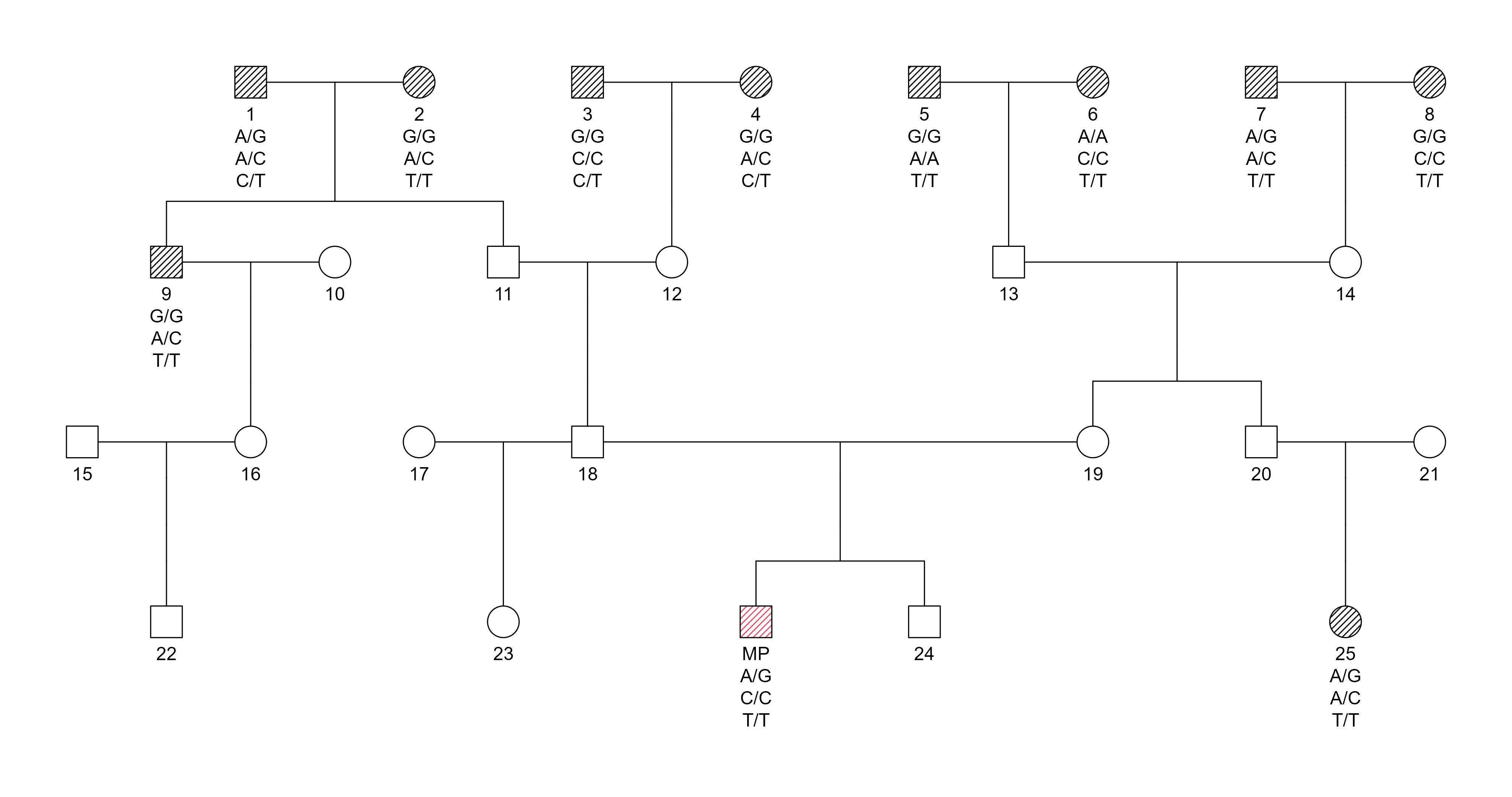
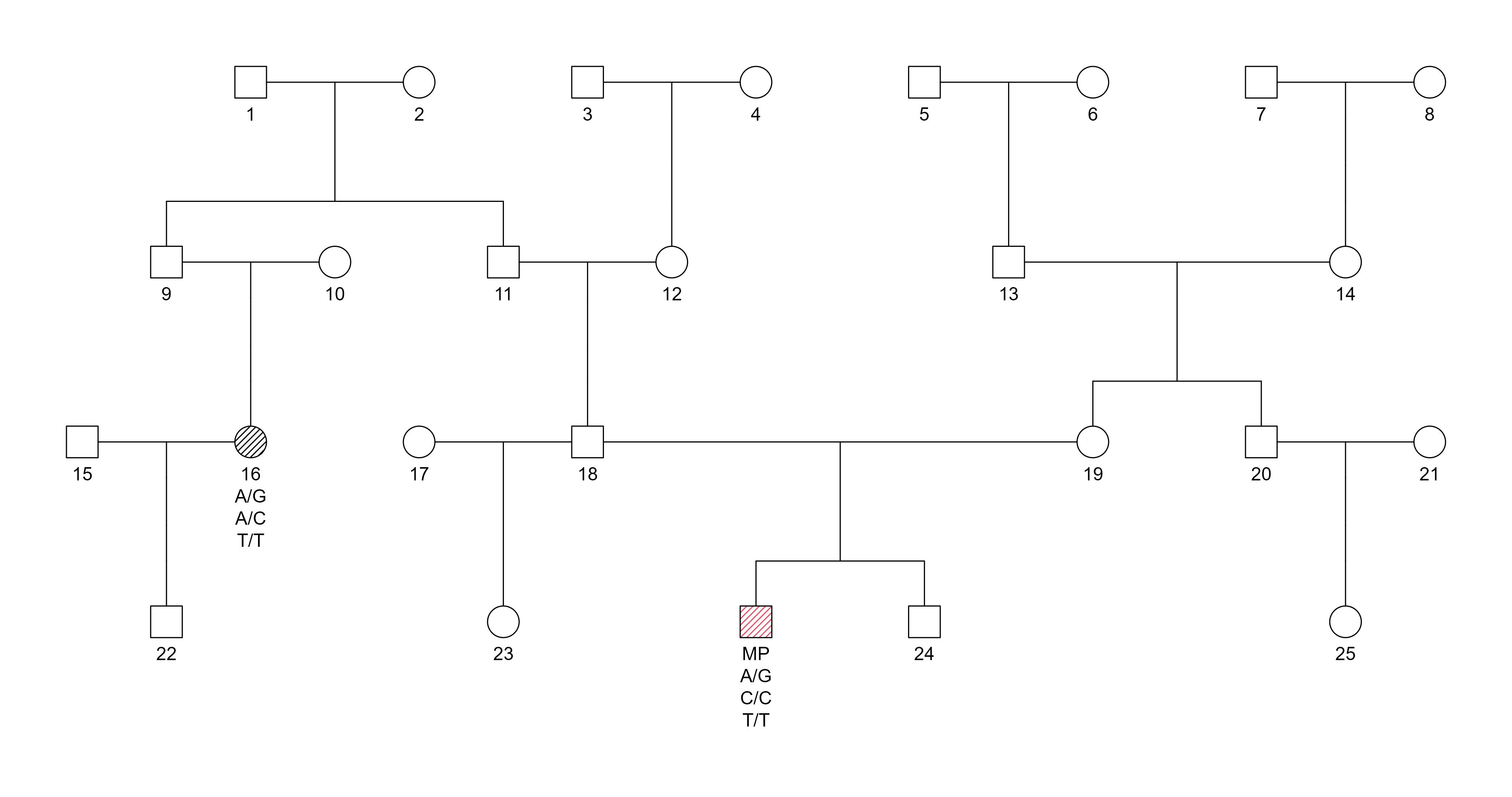
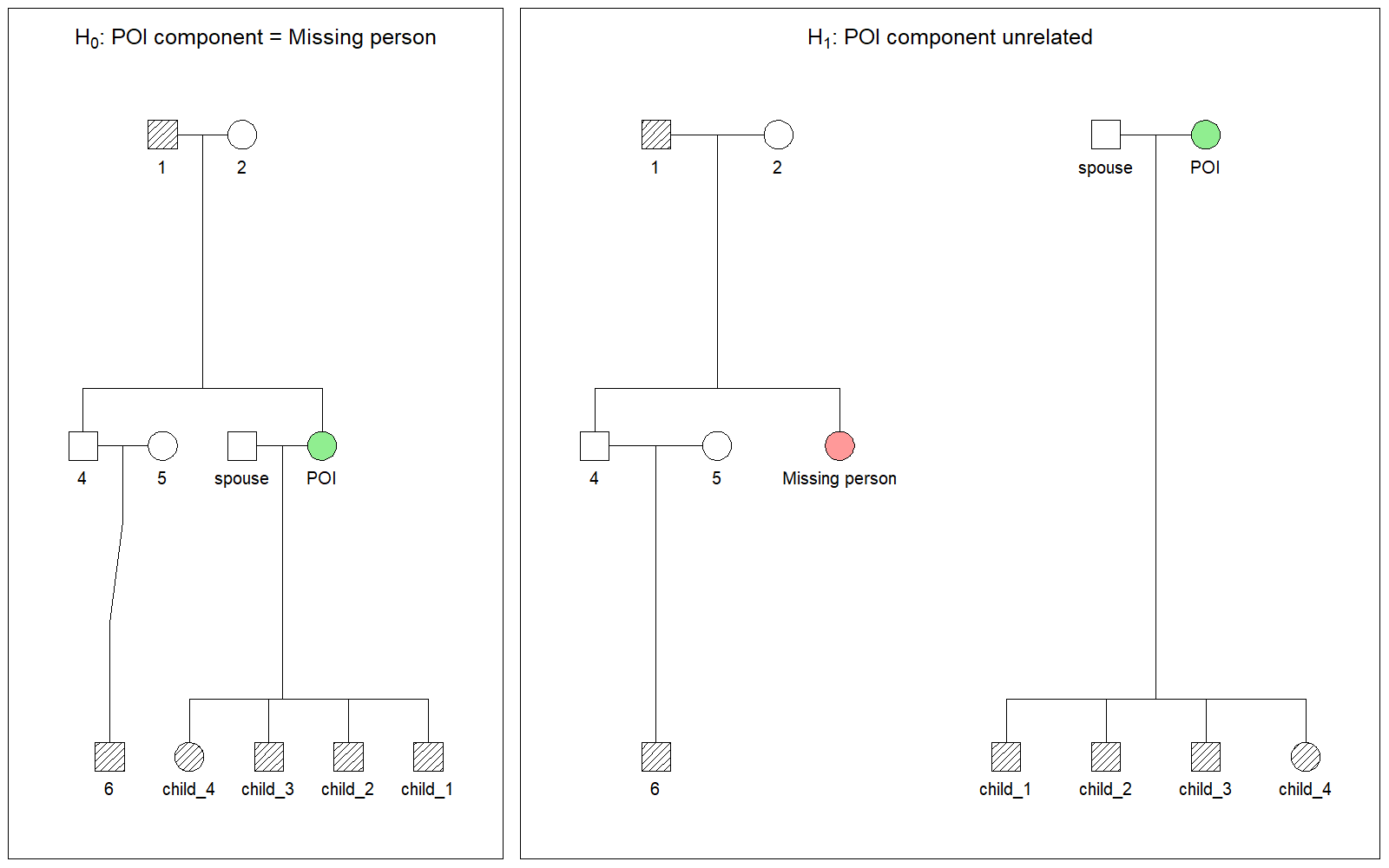
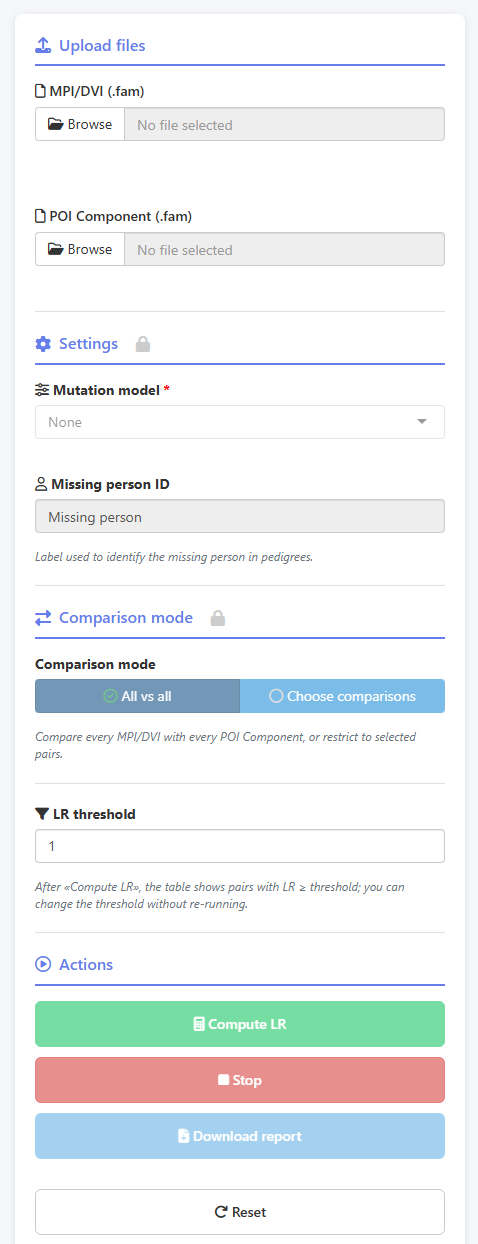
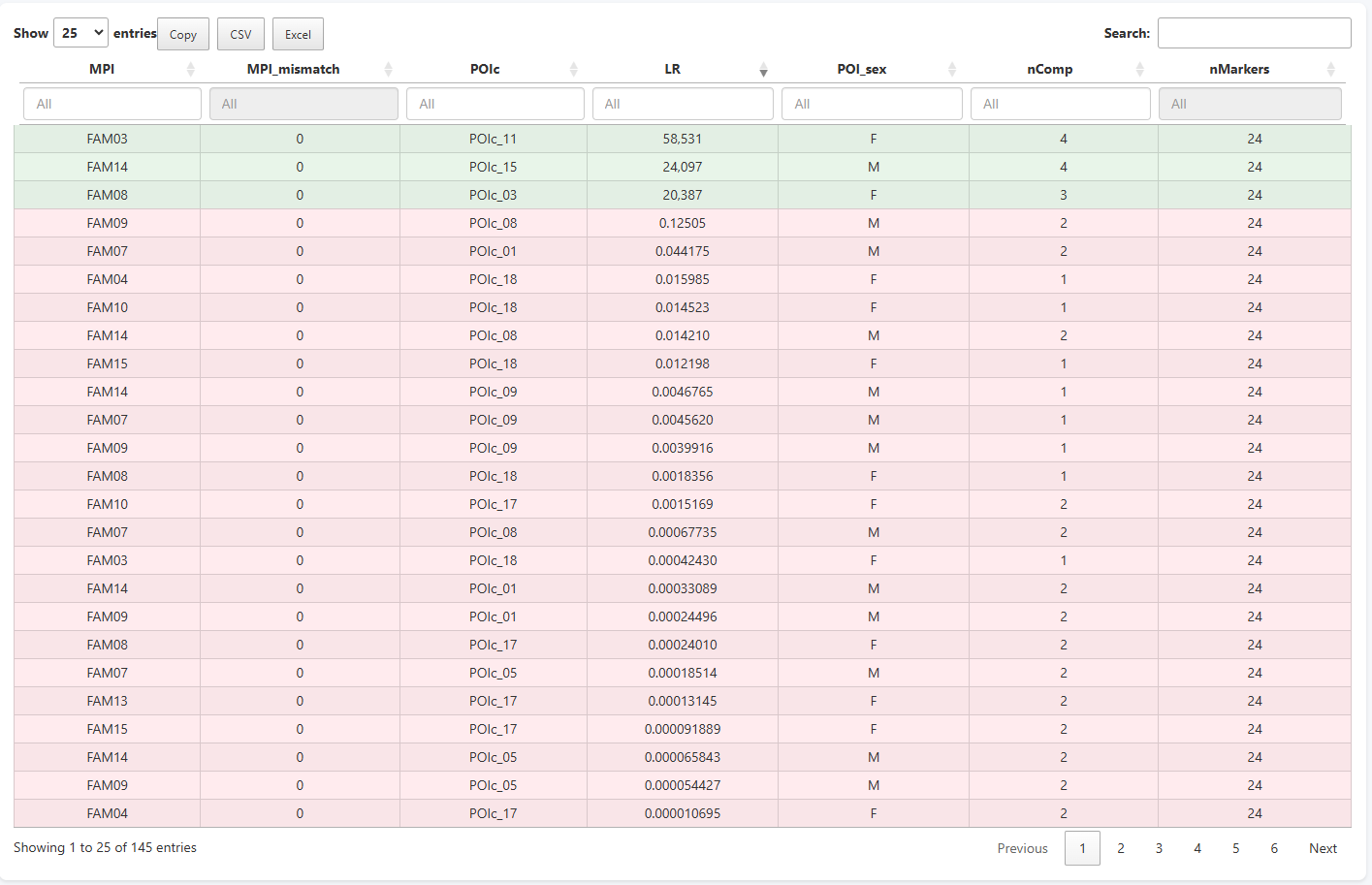
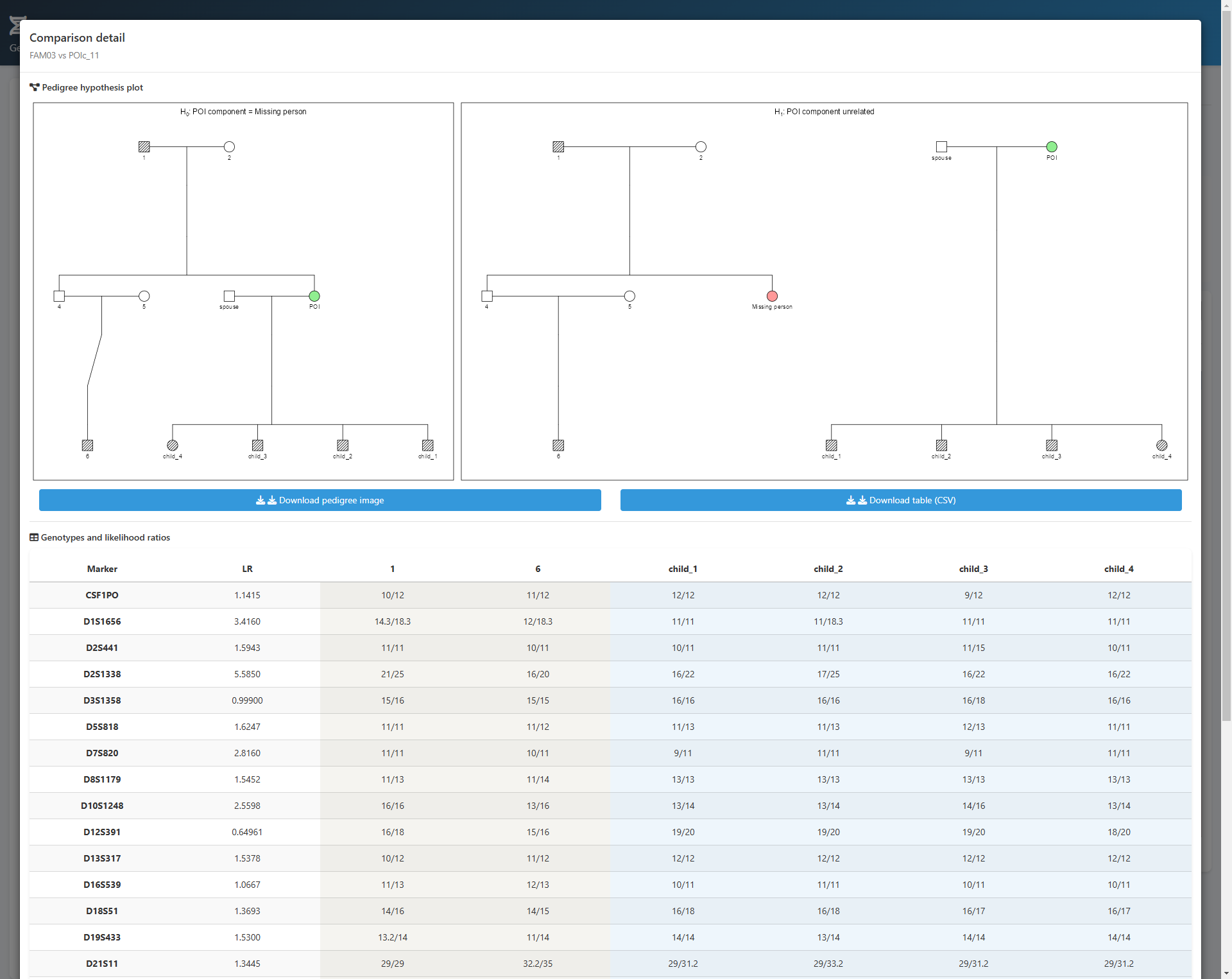
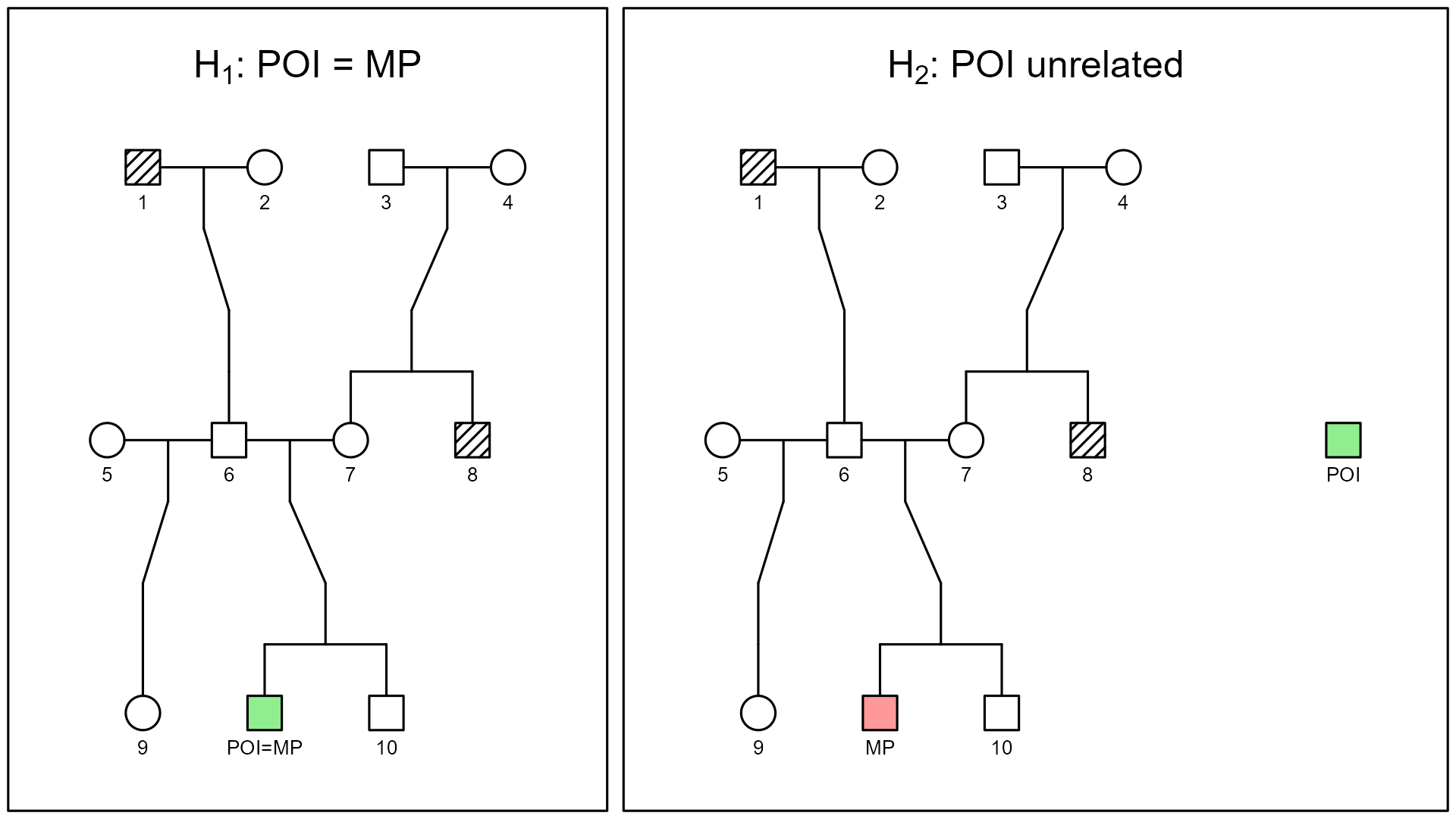
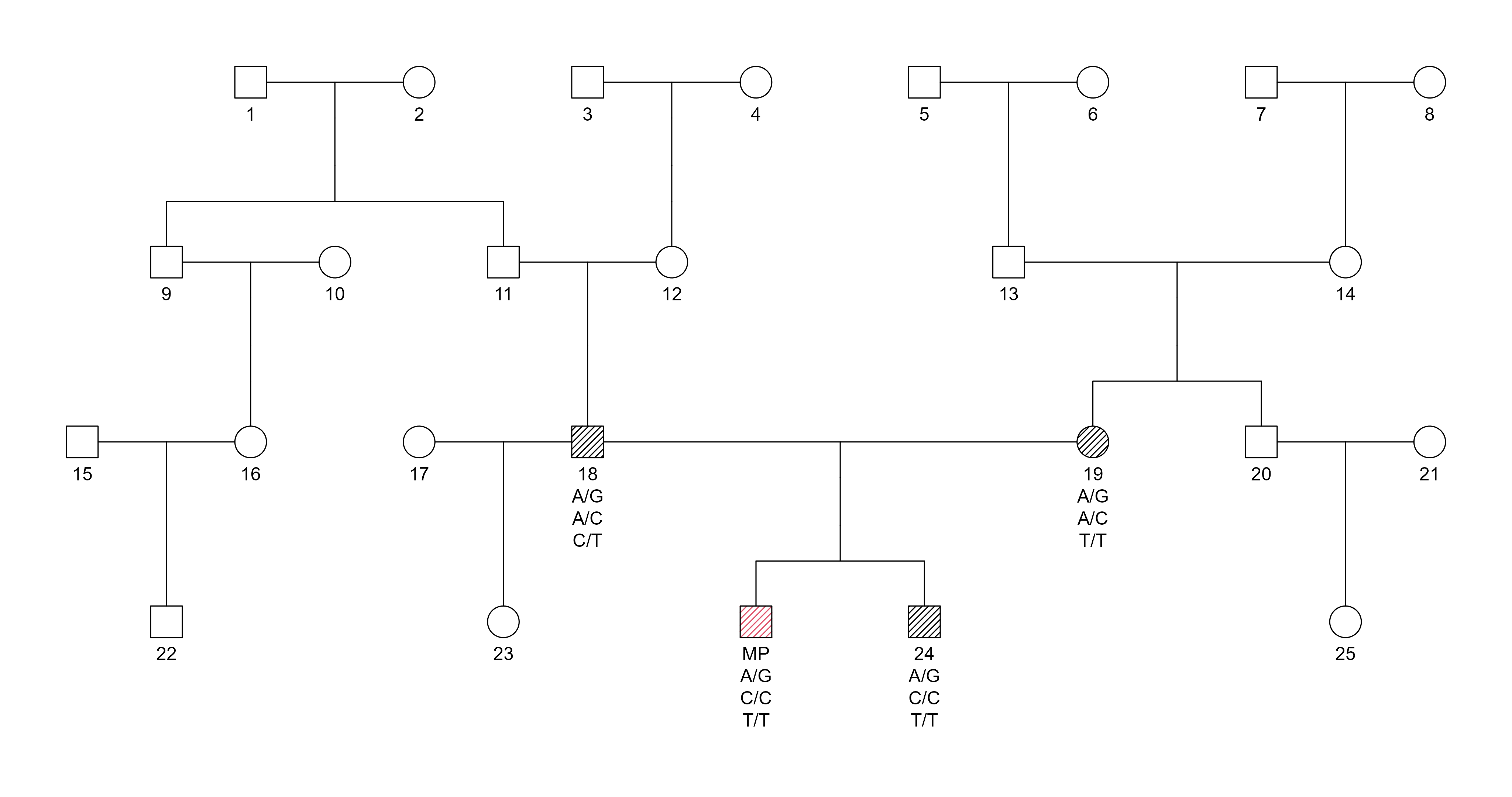
🧬 Introduction In humanitarian and forensic genetics, one of the most computationally tedious problems is also one of the most consequential: systematically comparing a set of reference family pedigrees against a set of candidate biological relatives to find which pairs are actually related to the same missing person. This is the core challenge of Missing Person Identification (MPI) and Disaster Victim Identification (DVI) workflows. A defining constraint in all these scenarios is that the person of interest is not always genotyped. They may be deceased and unidentified, disappeared, suspected of theft and identity swap, or simply unwilling to provide a biological sample — or their remains may have been cremated or commingled in an ossuary, making individual sampling no longer possible. The analysis must therefore rely exclusively on the genotypes of their relatives — making indirect kinship inference the only available path to identification. ...
April 1, 2026 · 8 min · sbiagini0
Post Slide Preview
Post Slide Preview
Post Slide Preview
Post Slide Preview
Post Slide Preview

From STRs to SNP Panels: Modern Techniques in the Genetic Identification of Missing Persons

🧬 Introduction In forensic genetics, Short Tandem Repeats (STRs) have been the key of human identification for over two decades. Current forensic systems typically use 24 autosomal STR markers, forming the global standard for paternity testing, missing person identification (MPI) and disaster victim identification (DVI). However, the field is now gradually migrating toward high-density Single Nucleotide Polymorphism (SNP) technologies. This transition is motivated by the need for greater statistical resolution, improved ability to detect distant kinship, and compatibility with degraded DNA samples often recovered in humanitarian and forensic contexts. ...

November 17, 2025 · 9 min · sbiagini0
Post Slide Preview
Post Slide Preview
Post Slide Preview
Post Slide Preview
Post Slide Preview

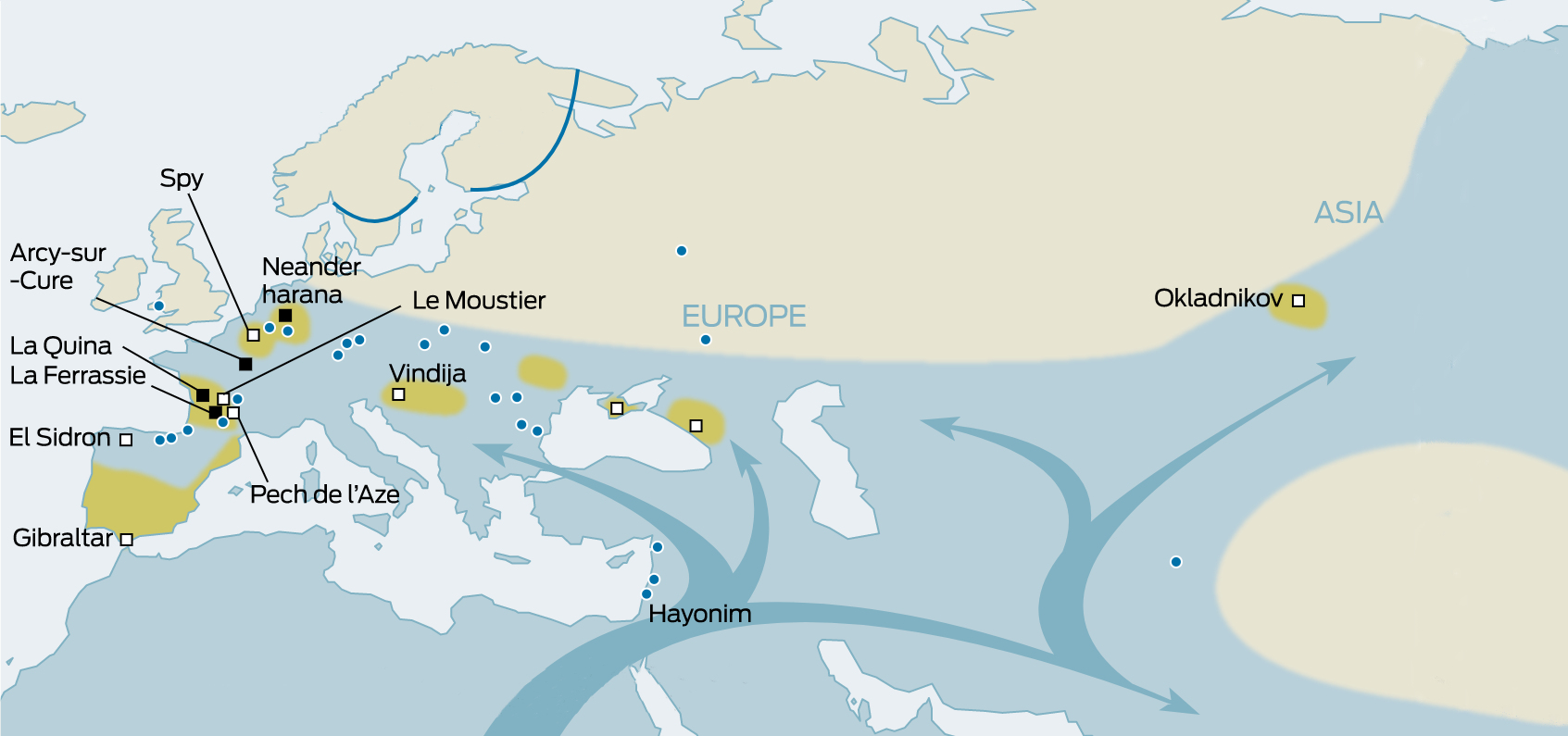
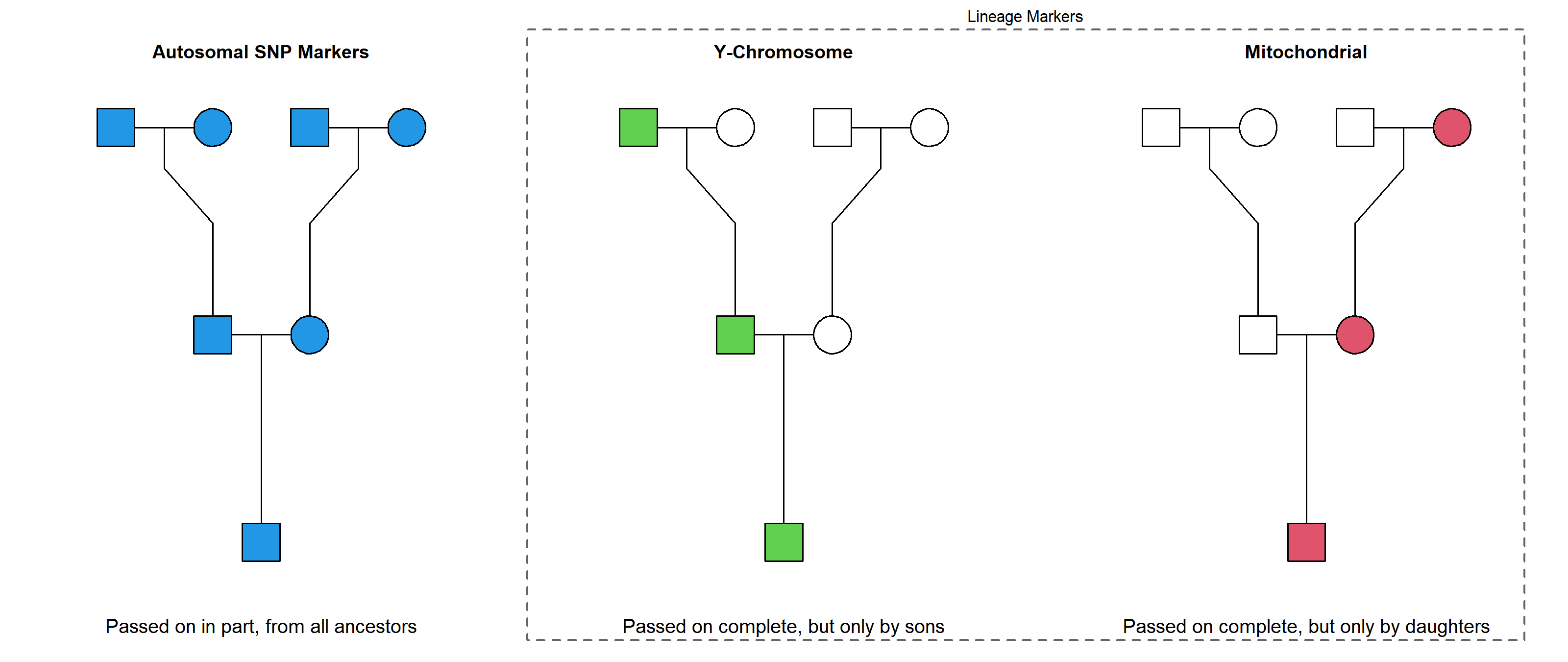
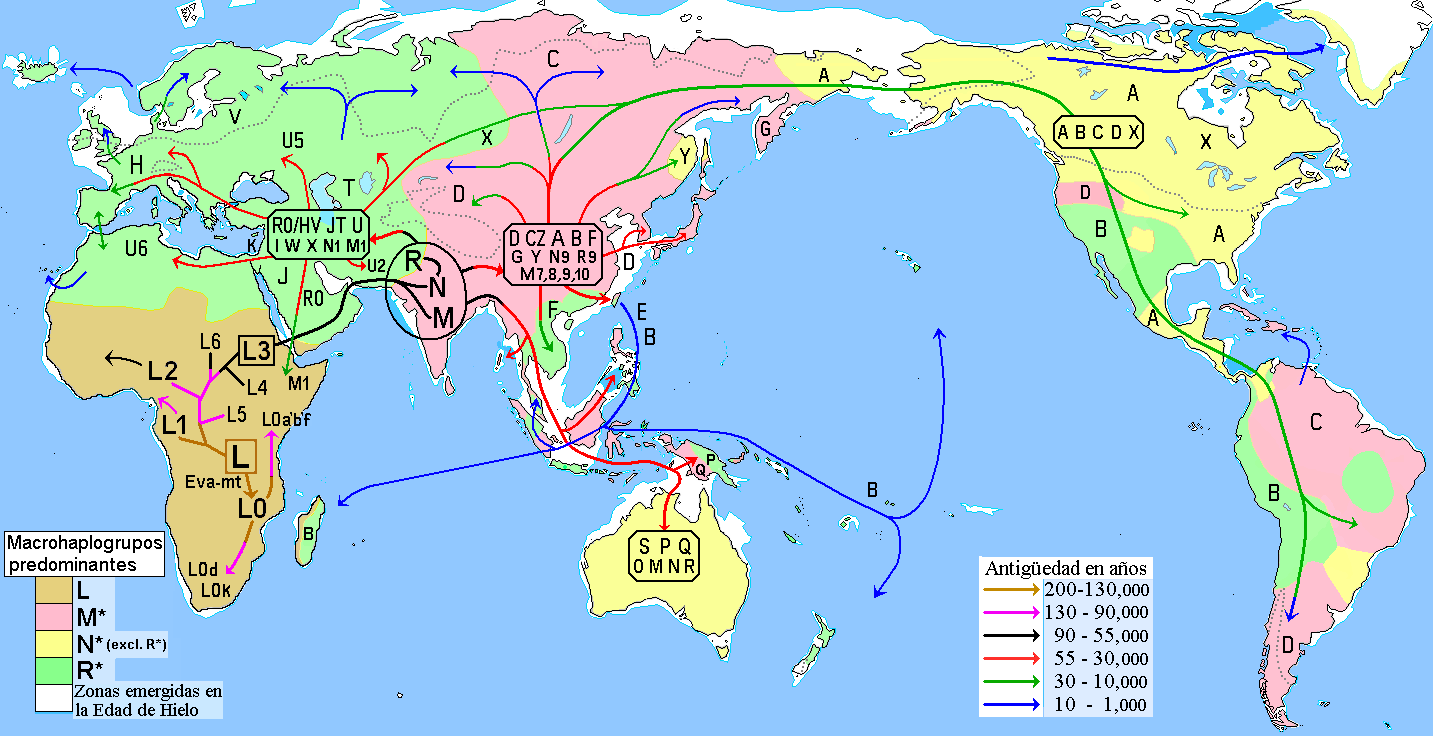
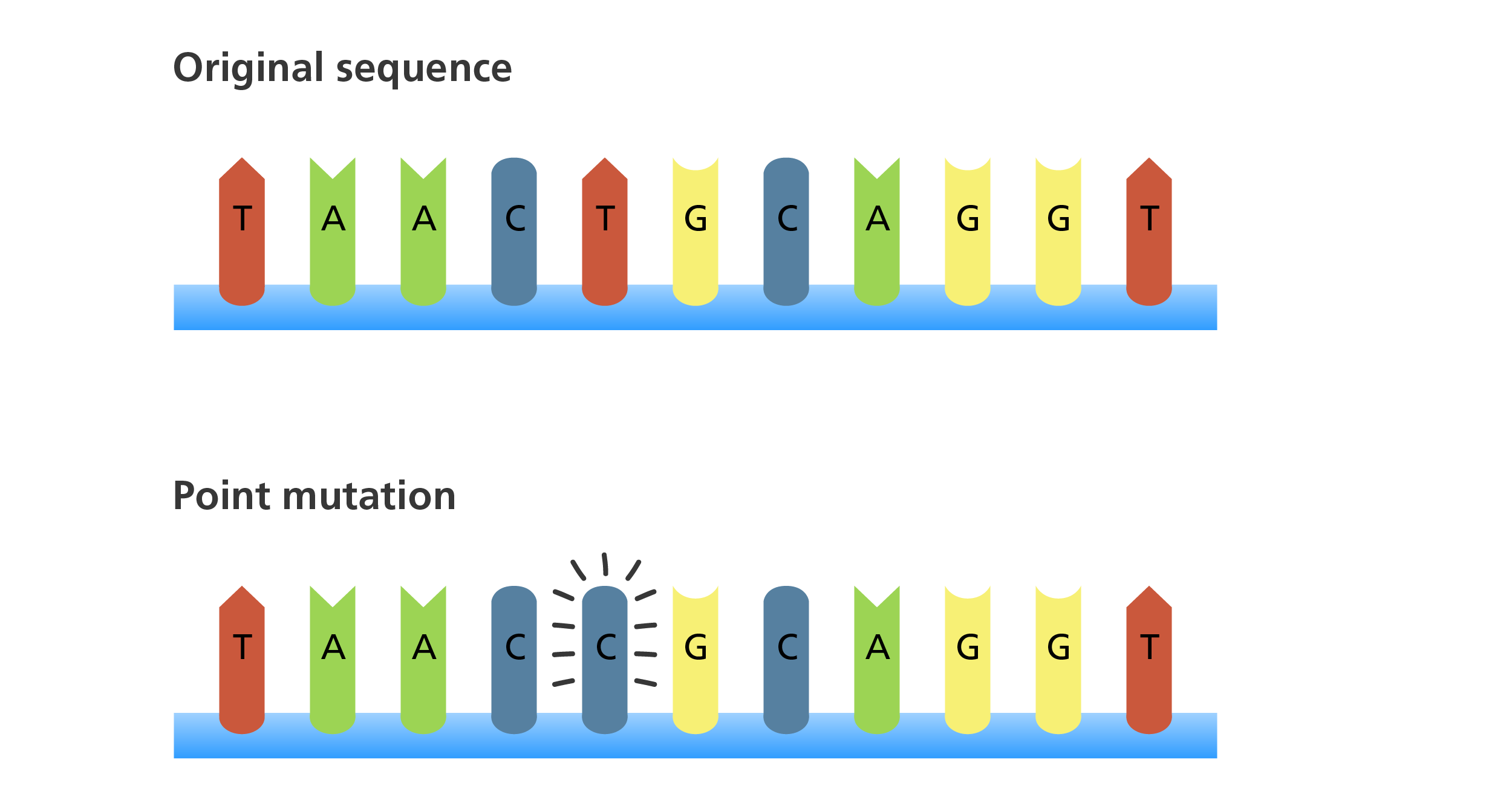
The Genetic Map of Humanity: Mutation, Migrations and Admixture

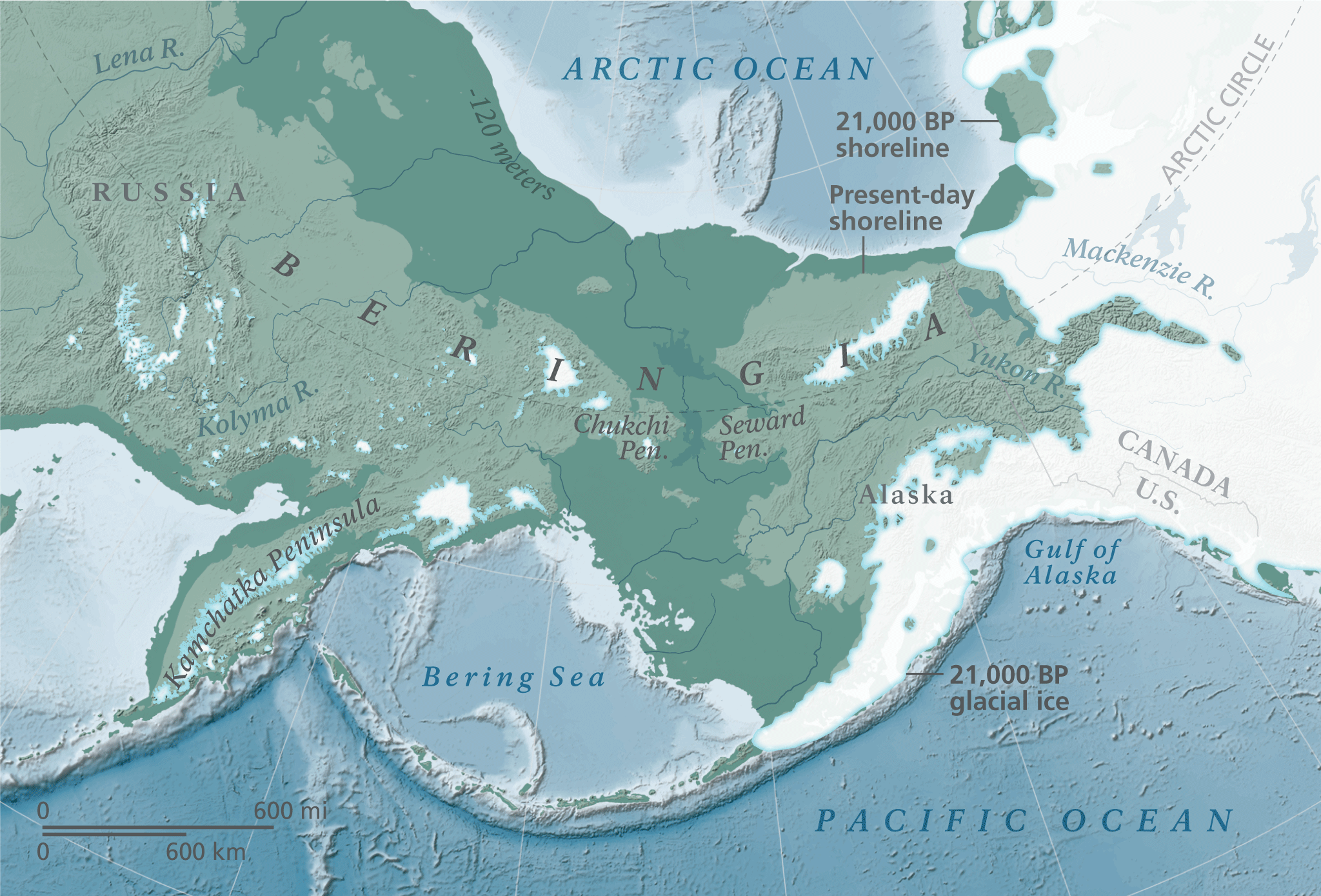
⏳🧬 The Timescale of Mutations Mutations are changes in the DNA sequence that occur due to errors in replication or the action of environmental factors. They can be single base substitutions, insertions or deletions of fragments, or larger rearrangements. Most are neutral and do not directly affect the organism, but they are transmitted to offspring and accumulate over time. These mutations are the primary source of genetic variability, and their effects are complemented by other fundamental processes in population genetics: ...

September 22, 2025 · 11 min · sbiagini0